From Rent Payments to Token Holders: How Distributions Work
How income is collected, expenses are deducted, and payments reach eligible token holders.
Introduction
Distributions are how a tokenized asset pays its holders — rent from a building, interest from a loan, royalties from a license, dividends from equity. The mechanism sounds simple, but the path from income to investor wallet involves collection, expense deduction, calculation, and payment. This article explains how income is collected, expenses are deducted, and payments reach eligible token holders.
Step One: Income Collection
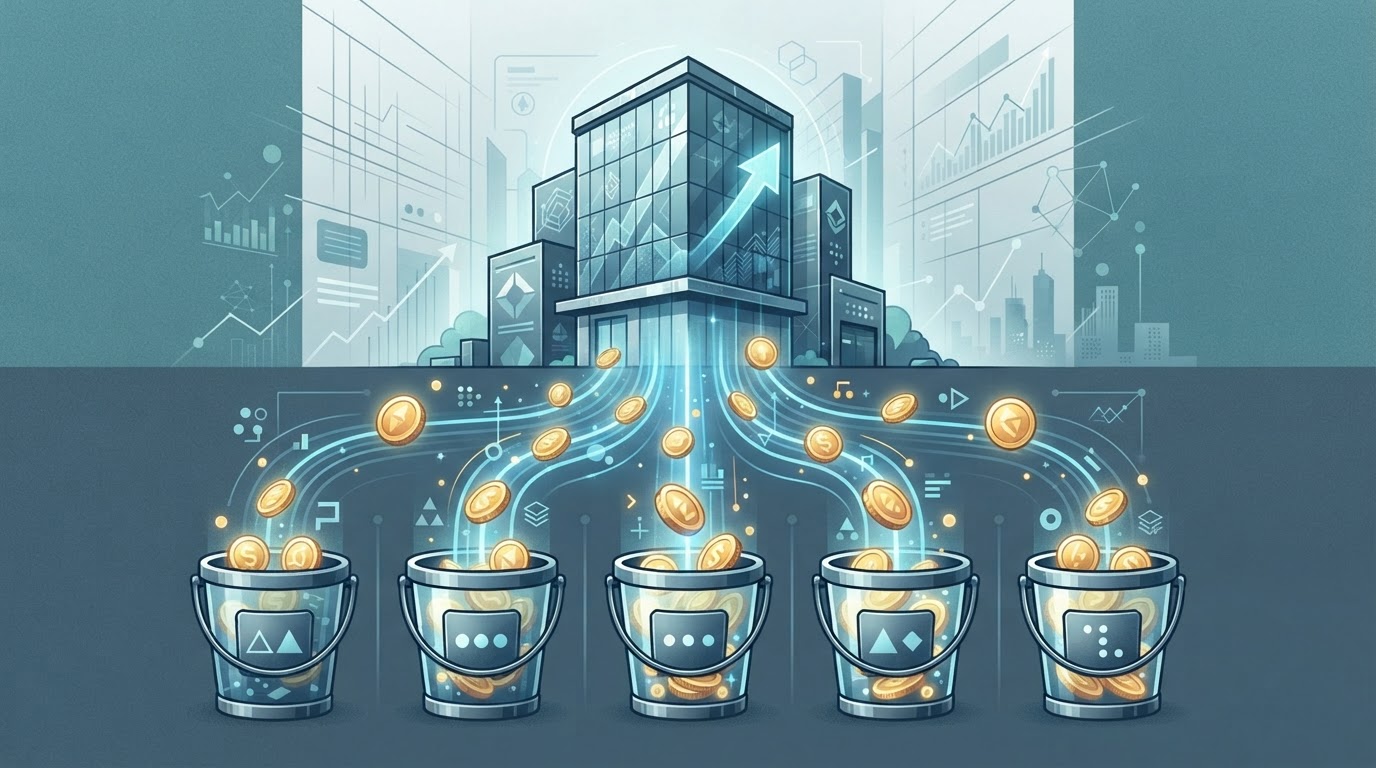
Income arrives at the asset or SPV level first. Rent is paid to the property SPV, interest to the lending vehicle, royalties to the IP holder. The SPV receives the cash in its own bank account, separate from the sponsor's operating accounts. This separation is what makes distributions auditable and protects tokenholders in a sponsor bankruptcy.
Step Two: Expense Deduction
Before anything reaches tokenholders, the SPV pays its own costs: property management, servicing, insurance, taxes, administration, and reserves. The amount available to distribute is net of these expenses. A high gross yield with high expenses produces a low net distribution, which is the only number that matters to investors.
Step Three: Distribution Calculation
The net distributable amount is divided by the number of outstanding tokens to produce a per-token distribution. The calculation uses a record date or snapshot — the on-chain balance at a defined block — to determine who is eligible. Holders who sold before the record date do not receive the distribution; holders who bought before it do.
Step Four: Payment Execution
Payment can be made several ways: on-chain in stablecoin to the holder's wallet, off-chain in fiat to a registered bank account, or reinvested into additional tokens. On-chain payment is fast and auditable but requires compliant wallets; fiat payment is familiar but slower. The method is defined in the tokenholder agreement.
Eligibility and Whitelisting
Only compliant, whitelisted wallets receive distributions. A wallet that fails KYC, falls off a sanctions screen, or violates transfer restrictions may have its distribution suspended or escrowed. Compliance gates apply not just to trading but to payments, which is why distribution infrastructure is tightly integrated with the whitelisting system.
Record Dates and Snapshots
The record date fixes who gets paid. On-chain, this is typically a block-height snapshot: whoever holds the token at that block is eligible. Off-chain, it is a date and time. Getting the record date right matters — errors mean the wrong people get paid, and reconciling after the fact is painful.
Frequency and Reporting
Distributions follow a defined schedule — monthly, quarterly, or annual — set in the offering documents. Each distribution is reported with the gross income, expenses deducted, net amount, per-token figure, and the record date. Investors should receive a statement for every distribution, not just a deposit.
What Can Go Wrong
- Expenses higher than expected, reducing the net distribution
- Record-date errors paying the wrong holders
- Compliance holds blocking legitimate wallets
- Late or inconsistent payments that erode investor trust
- Currency or chain mismatches between income and distribution
Conclusion
A distribution is the end of a chain: income collected at the SPV, expenses deducted, a per-token amount calculated on a record date, and payment executed to eligible, whitelisted wallets. The quality of that chain — its accuracy, timeliness, and reporting — is what separates a credible tokenized asset from a spreadsheet with a blockchain wrapper.