How to Plan a Real Estate Security Token Offering in Japan
Learn how to plan a Japanese real estate security token project through legal structures, investor rights, regulated distribution and servicing.
Introduction
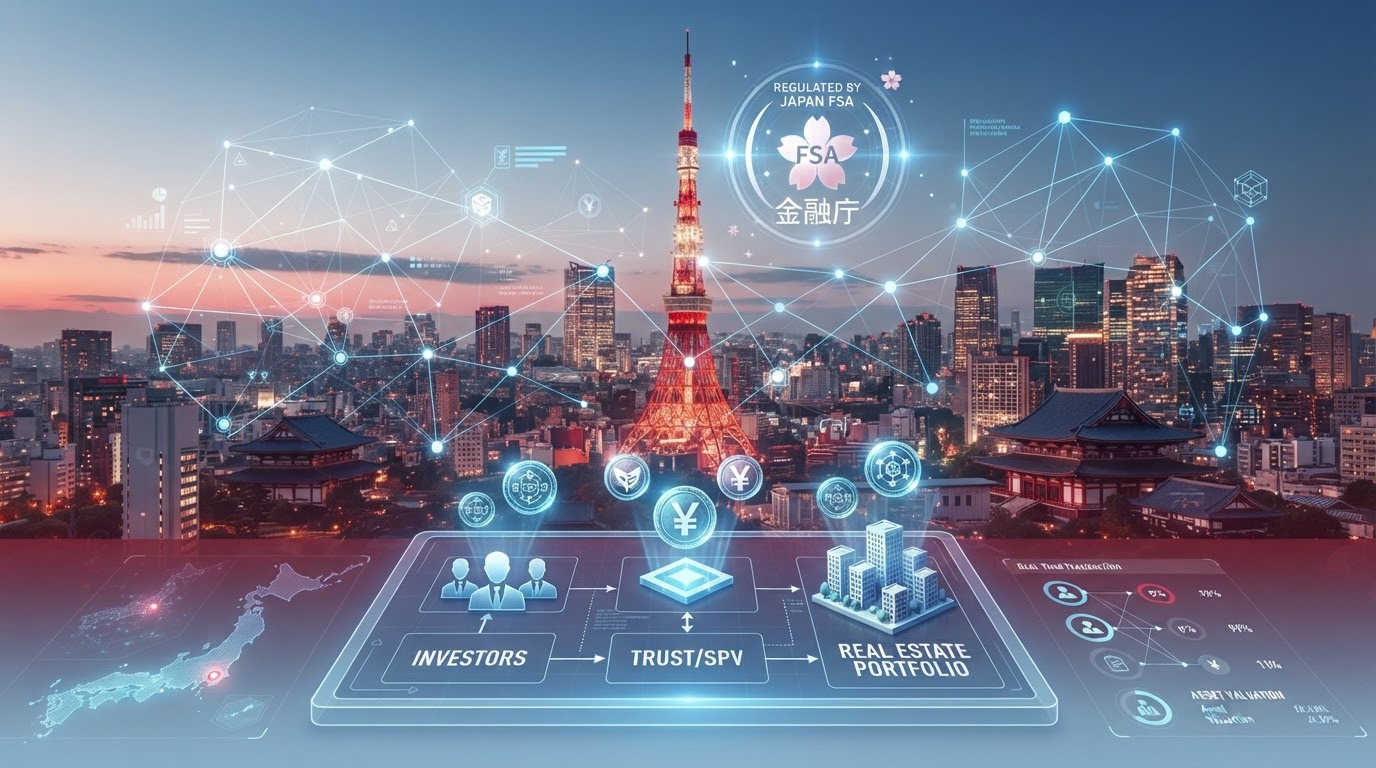
A Japanese real estate security token project begins with a legal structure for the investment. The project must connect the property, the entity or trust holding it, the rights offered to investors and the system recording those rights. Issuing a digital token is only one part of that chain.
Japan's Financial Services Agency describes electronically recorded transferable rights within its securities regulatory framework. The precise classification depends on the rights and structure involved. A security token project should therefore be assessed under the Financial Instruments and Exchange Act rather than treated as an ordinary cryptocurrency sale.
Decide What Investors Will Own
Identify the property and proposed investment vehicle or trust. Specify whether the investor receives a beneficial interest, a debt claim or another security. Obtain a Japanese legal assessment of both financial regulation and the private-law mechanics for creating, transferring and enforcing that right.
Complete property due diligence covering title, leases, financing, valuation, insurance and material expenses. Model cash distributions after debt service, taxes and management costs. A small digital denomination can improve subscription flexibility, but it does not change the economics of the building.
Match the Distribution Route to the Instrument
Determine the eligible investor audience, offering requirements and intermediary permissions. Work with securities professionals whose registration covers the relevant activities and product. Confirm which industry self-regulatory requirements apply to the selected structure.
A 2026 industry presentation on security tokens outlines securities regulation and the use of blockchain to record rights and transaction information. It provides useful context, but the actual offering requires a project-specific analysis and appropriate documentation.
Connect Transfers with Legally Recognised Records
Before development, define which register establishes investor holdings and what additional steps make a transfer effective against relevant parties. Do not assume that possession of a wallet key establishes title to Japanese real estate or independently completes a transfer of every type of investment right.
As an implementation exercise, have the legal and technology teams walk through one transfer together. Identify who approves it, what record changes, when payment settles and how an error is corrected. The administrator, trustee or other responsible provider should be able to explain the process to investors without relying on blockchain terminology.
Build Ongoing Property and Investor Servicing
Consider a hypothetical offering linked to an income-producing office building. The property manager still needs to collect rent, manage vacancies and arrange repairs. The investment administrator needs to calculate distributions, maintain holdings and issue reports. The token system should support those responsibilities.
Test income payments, investor notices, permitted transfers, key recovery and the final sale of the property. Review privacy, tax reporting and foreign investor issues. If a secondary venue is proposed, confirm product admission, operating rules and access conditions before describing an exit route.
The launch decision should depend on expected demand, the quality of the asset and the cost of the full service chain. Tokenization can change how a Japanese real estate investment is recorded and distributed. The investor still needs clear rights, dependable management and a realistic path to receiving income and eventual sale proceeds.
Sources
- Japan FSA Regulating the Crypto Assets Landscape in Japan, foundational regulatory overview
- Overview of Regulations and Recent Trends Relating to Security Tokens, 2026 industry presentation