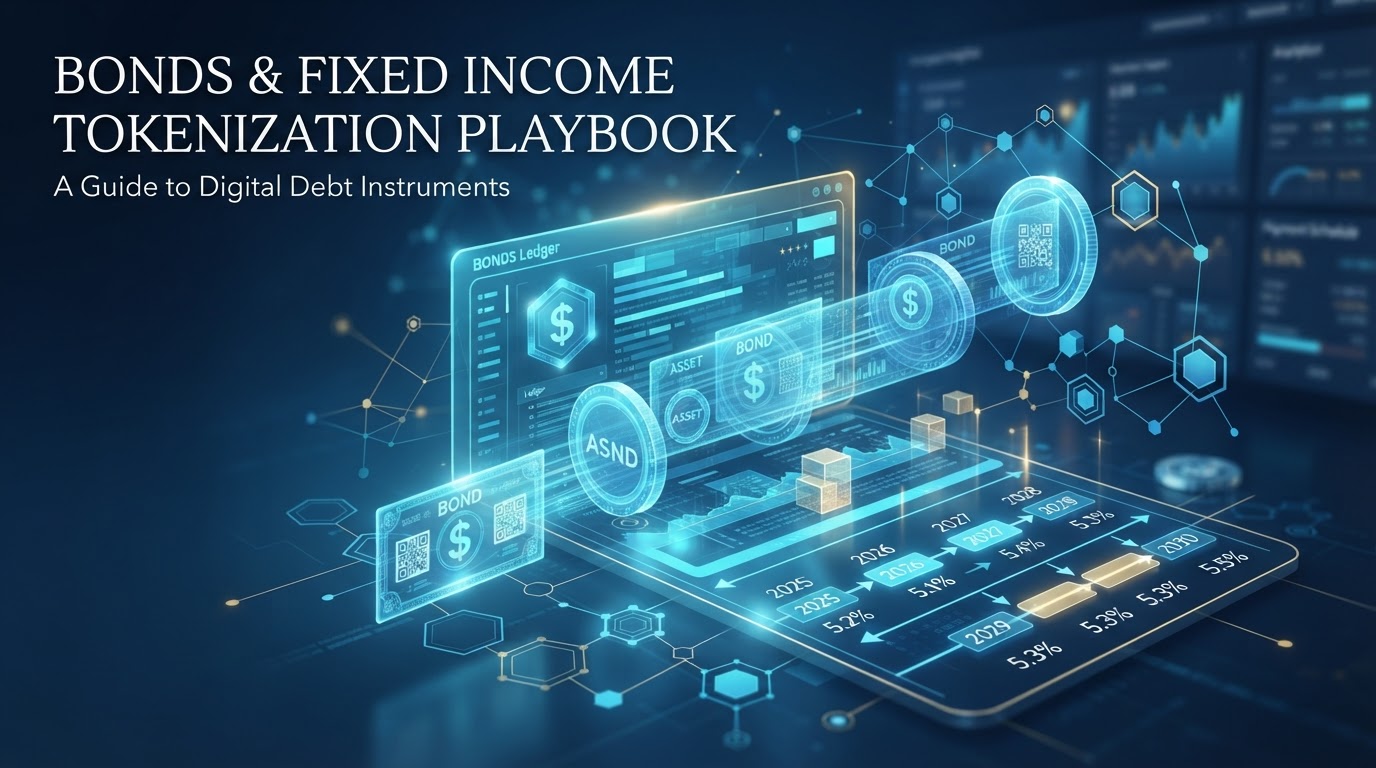
Who this is for
Corporate issuers, treasury teams, debt arrangers, finance companies, and supporting providers.
What is being tokenized?
A bond, note, or another defined debt interest. Distinguish a direct debt obligation from an interest in a vehicle holding debt instruments.
Decisions to resolve first
- Principal and currency?
- Interest calculation?
- Maturity?
- Security and ranking?
- Payment dates?
- Early repayment provisions?
- Investor eligibility?
- Transfer restrictions?
- Responsibility for defaults or amendments?
Information and documents to prepare
Instrument terms; issuer financial information; authorizations; payment schedule; security or guarantee documents where relevant; payment agency arrangements; and default provisions.
Operating requirements after launch
Maintain holder records, calculate interest, reconcile payments, administer notices, manage maturity and redemption, and coordinate amendments or enforcement when necessary.
Providers you may need
Debt and securities counsel, accountants, paying agents, trustees or agents where relevant, administrators, and technology providers.
Risks and common misconceptions
"Fixed income" does not mean guaranteed income. Credit risk, interest-rate exposure, refinancing needs, settlement arrangements, and payment interruptions can affect outcomes.
Hypothetical example
A company issues digitally represented notes with scheduled interest and a stated maturity. A payment administrator coordinates distributions. The documents specify creditor rights and remedies.
Technology and Operations
These items apply across asset classes. They are not a fixed architecture — every project should select what fits its structure, providers, and obligations.
- Identify the legally authoritative ownership or entitlement records.
- Explain how onchain activity and offchain records remain consistent.
- Define wallet access, recovery, and authorized correction procedures.
- Apply appropriate eligibility and transfer controls.
- Document payment assets, banking dependencies, fees, and reconciliation.
- Establish incident response, provider continuity, and data export procedures.
- Protect personal and confidential information.
Practical Project Checklist
- Define repayment obligations.
- Confirm ranking.
- Appoint payment responsibilities.
- Document defaults.
- Test maturity and reconciliation processes.
Frequently Asked Questions
Does a scheduled coupon guarantee payment?
No. Payment depends on the issuer's obligations and ability to perform.
Are private credit and fixed-income guides interchangeable?
They overlap. This guide emphasizes debt issuance and payment administration; the private credit guide emphasizes origination, underwriting, and servicing.
Sources and Editorial Information
- SEC staff, Statement on Tokenized Securities — Describes tokenization models with different ownership and counterparty implications.
- Investor.gov, Tokenized Securities — General investor education on tokenized securities.
These guides use general concepts and some U.S. terminology. Jurisdiction-specific requirements need separate analysis. Do not present U.S. requirements as universal. Published 2026-10-28. Last updated 2026-10-28.