Who this is for
Lenders, credit managers, specialty finance companies, loan originators, and supporting providers.
What is being tokenized?
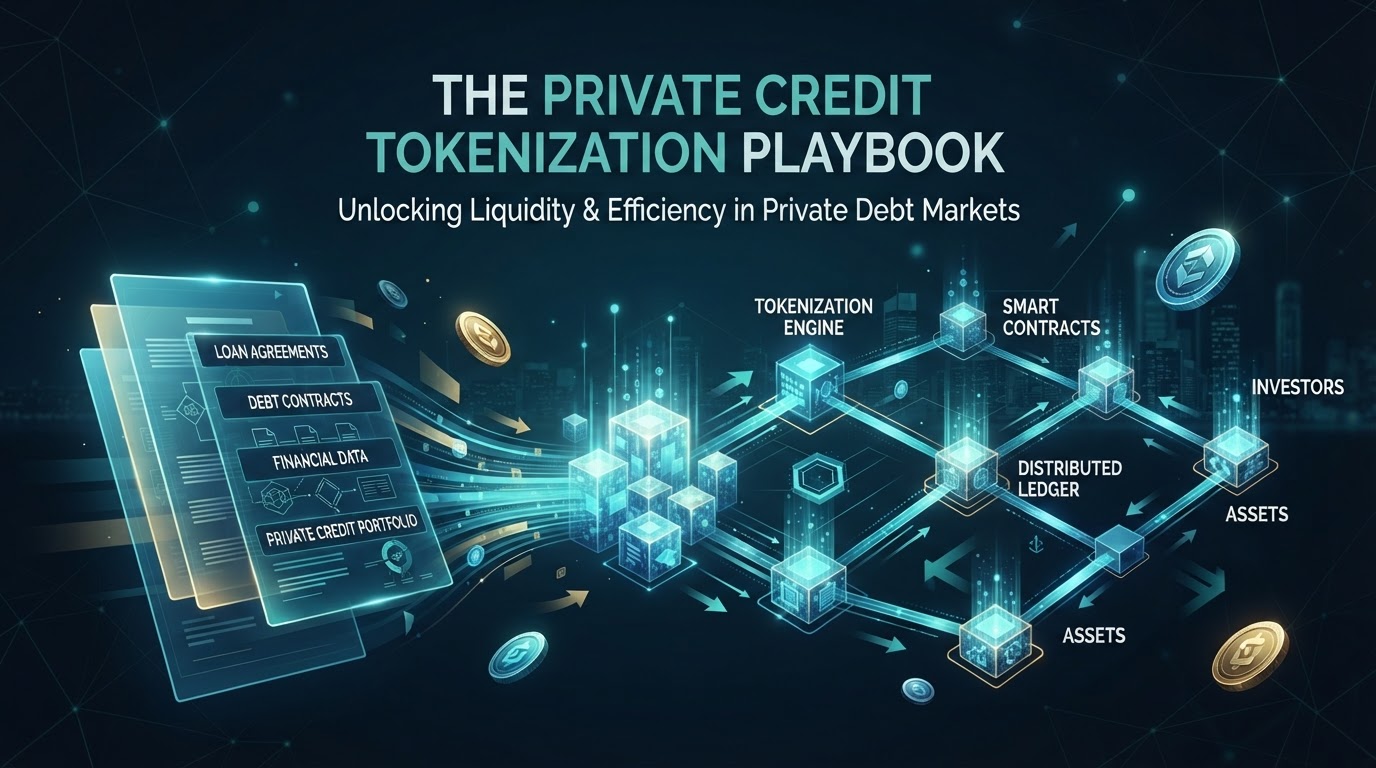
A token may represent a note, a loan participation, an interest in a lending vehicle, or a fund interest. These can expose investors to different counterparties and enforcement arrangements.
Decisions to resolve first
- One loan or a portfolio?
- Direct obligation, participation, or vehicle interest?
- Secured or unsecured?
- What is the payment priority?
- Fixed or floating interest?
- Who originates, services, and monitors the loans?
- Who can amend terms, enforce security, or approve a workout?
- What happens if the servicer becomes unavailable?
Information and documents to prepare
Underwriting materials; borrower financial information; loan terms; collateral and priority information where relevant; servicing agreements; payment schedules; covenant definitions; concentration information; default procedures; and investor reporting requirements.
Operating requirements after launch
Reconcile collections, allocate payments, monitor borrower reporting and covenants, track arrears, communicate impairments, and administer amendments or recoveries. Assign responsibility for updating offchain information used in investor reports or automated processes.
Providers you may need
Lending and securities counsel, underwriters, servicers, collateral or security agents where appropriate, administrators, accountants, and tokenization providers.
Risks and common misconceptions
Borrowers can default. Collateral can lose value or take time to enforce against. Digitizing a payment entitlement does not guarantee collection or recovery.
Hypothetical example
A finance company proposes tokenized notes issued by a vehicle holding business loans. Investors hold claims against the vehicle under the note terms. A servicer collects borrower payments and reports delinquencies. Documents explain payment priorities and default procedures.
Technology and Operations
These items apply across asset classes. They are not a fixed architecture — every project should select what fits its structure, providers, and obligations.
- Identify the legally authoritative ownership or entitlement records.
- Explain how onchain activity and offchain records remain consistent.
- Define wallet access, recovery, and authorized correction procedures.
- Apply appropriate eligibility and transfer controls.
- Document payment assets, banking dependencies, fees, and reconciliation.
- Establish incident response, provider continuity, and data export procedures.
- Protect personal and confidential information.
Practical Project Checklist
- Map the claim from investor to borrower or vehicle.
- Document underwriting standards.
- Identify servicing and collection responsibilities.
- Define payment priorities and default procedures.
- Establish reporting and continuity arrangements.
Frequently Asked Questions
Can a smart contract collect money from a defaulting borrower?
It can apply programmed rules to available information and funds. Legal collection and enforcement still require appropriate rights and processes.
Is a tokenized credit investment necessarily secured?
No. Security depends on the legal arrangements, collateral, and applicable law.
Sources and Editorial Information
- Federal Reserve, Private Credit: Characteristics and Risks — Describes characteristics and risks of the private credit market.
- SEC staff, Statement on Tokenized Securities — Describes tokenization models with different ownership and counterparty implications.
These guides use general concepts and some U.S. terminology. Jurisdiction-specific requirements need separate analysis. Do not present U.S. requirements as universal. Published 2026-10-28. Last updated 2026-10-28.