
Tokenizing Invoices and Trade Receivables: Turning Business Payments into Digital Assets
Invoice verification, payment collection, debtor risk, and duplicate-financing concerns.
Introduction
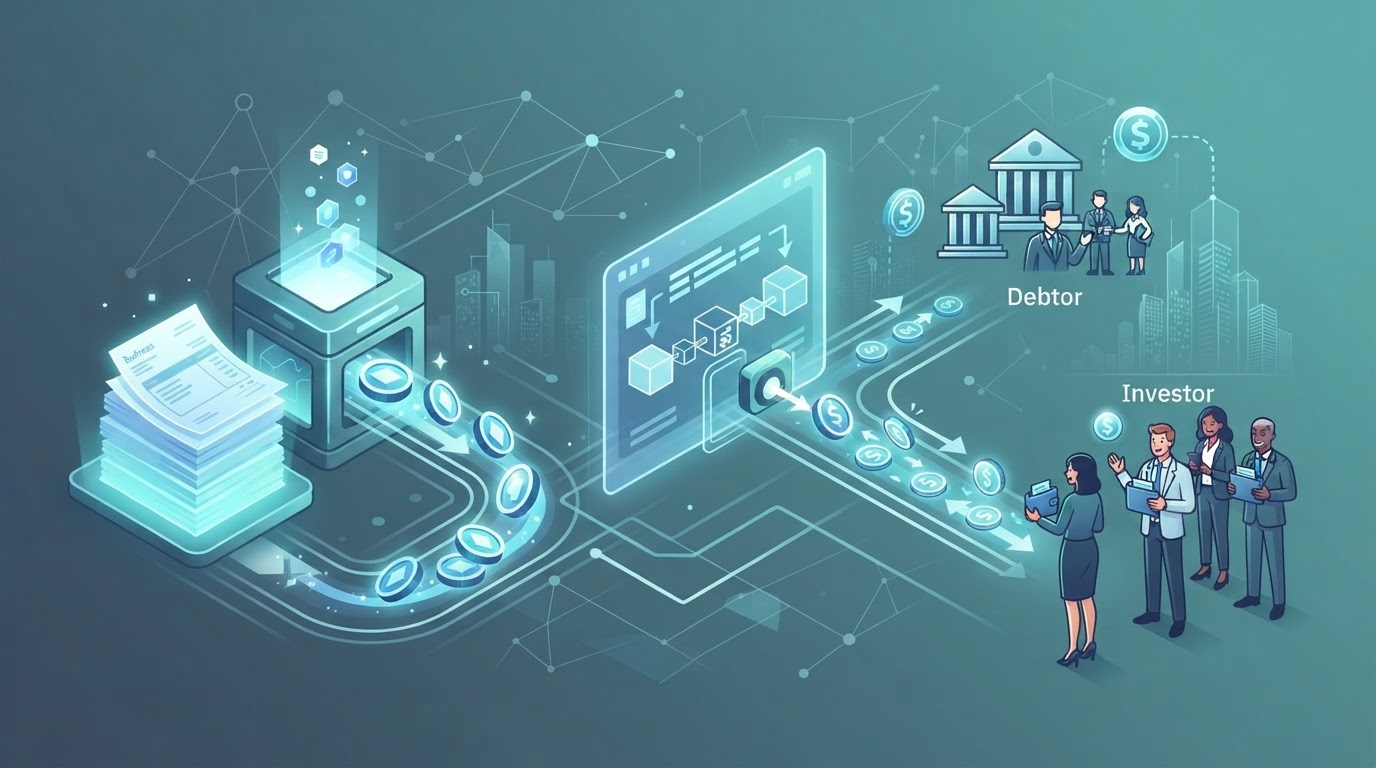
Invoices and trade receivables — money a business is owed by its customers — can be tokenized to turn future payments into investable assets today. This article covers invoice verification, payment collection, debtor risk, and the duplicate-financing concerns that make receivables tokenization both valuable and demanding.
What Gets Tokenized
A trade receivable is a recorded obligation: a customer owes a business a defined amount by a defined date. Tokenizing it represents that obligation as a token investors can buy, providing the business immediate liquidity and investors a short-duration yield. The value of the token depends on the debtor paying, on time, in full.
Invoice Verification
Before a receivable is tokenized, it must be verified — that the invoice is real, the goods or services were delivered, the amount is correct, and the debtor has acknowledged the obligation. Verification may involve invoice confirmation from the debtor, integration with invoicing or ERP systems, and documentary checks. Weak verification is how fake receivables enter a pool.
Payment Collection
When the debtor pays the invoice, the cash is collected — into a segregated account or a smart contract — and distributed to tokenholders net of fees. The collection mechanism determines whether investors actually receive what they are owed. Controls that prevent the originator from diverting the payment are essential.
Debtor Risk
- Credit risk: will the debtor pay, and on time?
- Concentration risk: how much of the pool depends on a single debtor or buyer?
- Industry and geographic risk affecting the debtor's ability to pay
- Dispute risk: goods returned, services contested, or invoices disputed
- Timing risk: late payments that extend duration and reduce yield
Duplicate Financing Concerns
The same invoice can be pledged to more than one lender if there is no single source of truth. Duplicate financing is the core fraud risk in receivables finance. Robust designs use a registry — on-chain or off — that records each receivable once and prevents it from being pledged twice. Without it, investors can be funding the same invoice as a bank.
Originator Risk
Even with good debtors, the originator — the business selling the receivables — matters. If the originator fails, servicing and collection can break down. If the originator is fraudulent, verification may be undermined. Evaluate the originator's financial health and operational controls, not just the debtor's credit.
Structuring Considerations
Pooled structures spread debtor risk across many invoices; single-invoice structures concentrate it. Reserves and overcollateralization protect investors against expected losses. First-loss tranches absorb initial defaults so senior holders are protected. The structure determines how losses are allocated when debtors pay late or not at all.
Short Duration, Real Diligence
The short duration of trade-receivables financing is its appeal and its trap. Because invoices pay in weeks or months, the mark-to-market risk is low — but the operational risk is constant. Every new invoice must be verified, every debtor assessed, every payment collected and reconciled, and every duplicate-financing risk controlled, on a rolling basis. The platforms that succeed are the ones that invest in verification infrastructure and originator oversight up front, not the ones that chase yield by lowering their standards. In receivables, the diligence is the product.
Conclusion
Tokenizing invoices and trade receivables turns business payments into short-duration digital assets, but the economics depend on invoice verification, reliable collection, debtor credit quality, and controls against duplicate financing. The technology accelerates settlement and broadens access; the diligence — verification, debtor analysis, and originator review — is what makes the assets worth holding.