Collectible Asset Tokenization: Ownership, Custody, and Value
Understand how fine art, rare vintage automobiles, luxury timepieces, and rare collectibles can be connected to digital token interests, including physical authentication, secure storage, appraisal, and sale proceeds.
What is Art, Collectibles & Luxury Assets Tokenization?
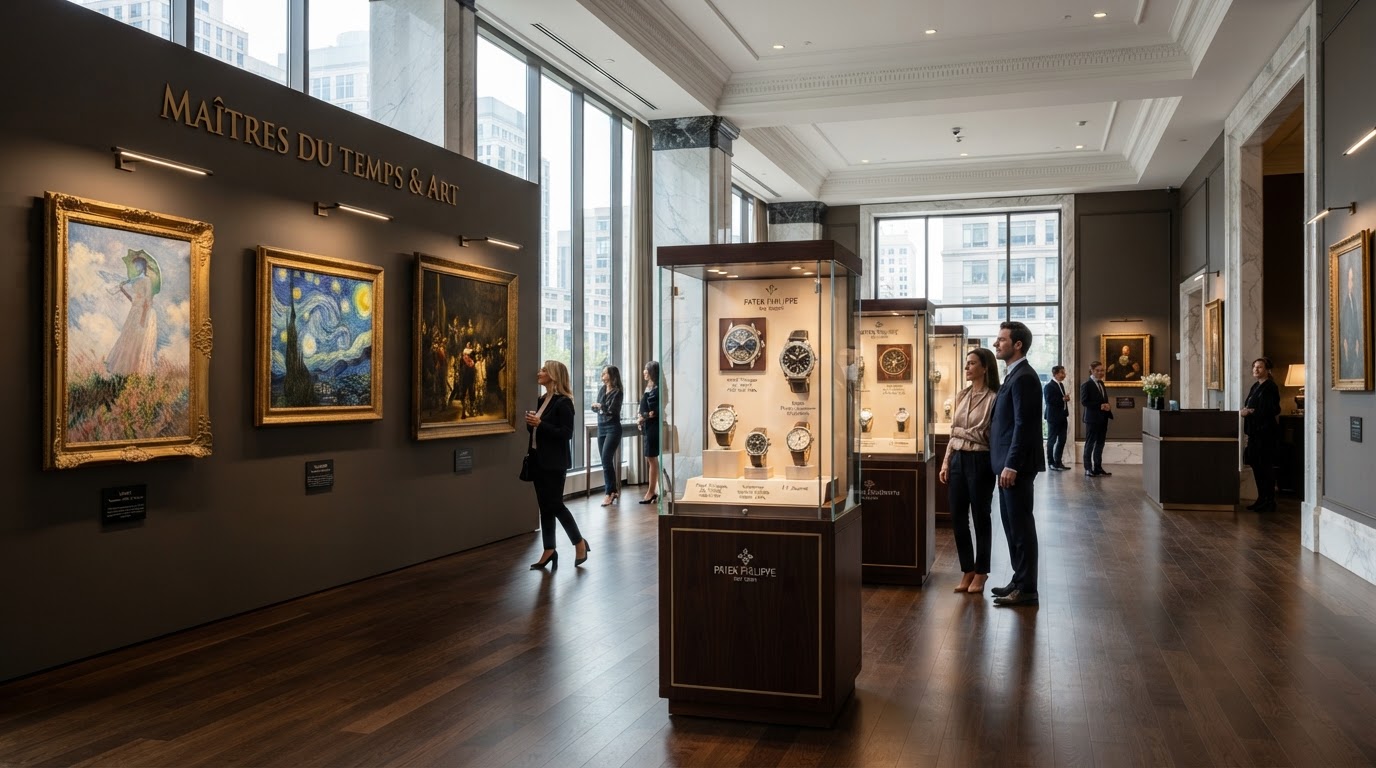
Collectible tokenization enables investors to acquire fractional ownership interests in high-value physical items—such as blue-chip paintings, vintage sports cars, or rare wine collections. The underlying asset is secured in a specialized climate-controlled vault, fully insured, and legally owned by an SPV, while tokens represent proportional economic claims to the asset's appreciation or eventual sale proceeds.
At a Glance Summary
What Exactly is Being Tokenized?
Understanding the four critical layers between the physical or underlying real-world asset and the digital token wallet:
Legal & Technical Architecture Diagram
Traditional vs. Tokenized Process Comparison
How digitizing asset administration changes investor workflows, costs, and transfer permissions:
| Feature | Traditional Model | Tokenized RWA Model |
|---|---|---|
| Minimum Investment | $500,000+ for single blue-chip masterpiece artwork or vintage Ferrari. | $50 - $1,000 for fractional token equity in vault-secured asset. |
| Physical Custody | Owner manages home security, private storage, and specialized insurance. | Institutional climate-controlled vault storage with full commercial insurance. |
| Liquidity & Sale | Multi-month auction house consignment processes with 15–25% seller commissions. | Fractional trading on secondary ATS security token marketplaces. |
| Provenance Tracking | Paper certificates of authenticity vulnerable to forgery. | Immutable on-chain history of physical inspections and appraisals. |
Structures & Subtypes in Art, Collectibles & Luxury Assets
Different tokenization structures serve distinct investor profiles and legal arrangements:
1. Blue-Chip Fine Art Tokenization
Fractional investment in museum-quality paintings by recognized master artists.
2. Luxury Watch & Jewelry Portfolios
Tokens backed by vault-secured rare timepieces and high-grade gemstones.
3. Classic Automobile Tokenization
Fractional equity in rare vintage sports cars and historical racing vehicles.
4. Fine Wine & Rare Whisky Vaults
Investment in bonded warehouse cases of premier cru wines and rare single malts.
Step-by-Step Tokenization Walkthrough
A comprehensive 10-step operational blueprint from asset structuring to investor distributions:
Physical Authentication & Expert Appraisal
Handled by: Certified Art Appraiser / Authenticator (e.g. Sotheby's, Christie's experts)Independent expert authenticates the physical asset and conducts formal appraisal evaluation.
Verifies the object is genuine and establishes fair market valuation baseline.
Secure Vault Deposit & Institutional Insurance
Handled by: Specialized Vault Operator (e.g. Malca-Amit, Brink's)Transfer asset to accredited high-security vault and bind full replacement-value insurance.
Protects physical asset against theft, fire, damage, and unauthorized removal.
Form SPV Entity & Execute Bailment Agreement
Handled by: Corporate Counsel & Vault CustodianEstablish legal SPV that takes sole title to vault deposit receipt and holds asset for investors.
Ensures clear legal separation between asset seller and tokenized asset owner.
Draft PPM Disclosures & Resale Reserve Terms
Handled by: Securities Legal CounselPrepare Private Placement Memorandum detailing storage costs, resale vote thresholds, and risks.
Provides required legal disclosures and defines how final asset sale will occur.
Deploy Token Smart Contract & Asset Registry
Handled by: Tokenization Tech ProviderMint tokens representing SPV equity; link metadata to vault receipt hashes and appraisal PDFs.
Establishes transparent digital record of fractional ownership.
Investor Onboarding & Compliance Verification
Handled by: KYC Provider & Compliance OfficerPerform identity checks (KYC) and verify investor accreditation status.
Ensures compliance with digital security regulations.
Token Offering Launch & Escrow Disbursement
Handled by: Escrow Agent & Tokenization PlatformInvestors subscribe for tokens; raised capital repays original asset owner.
Monetizes physical asset while placing title safely into SPV.
Annual Vault Audits & Condition Re-Appraisals
Handled by: Independent Auditor & AppraiserIndependent auditor physically inspects vault holdings; appraiser updates market valuation.
Verifies physical asset condition and maintains transparent asset valuation.
Secondary Trading & Fractional Liquidity
Handled by: ATS Trading Venue & Transfer AgentTokens trade on secondary ATS platforms, allowing fractional buyers to exit prior to asset sale.
Provides secondary liquidity for illiquid physical collectibles.
Asset Resale, Auction, & Token Liquidation
Handled by: Auction House (e.g. Sotheby's) & SPV LiquidatorAsset is sold via major auction house or private offer; proceeds pay SPV tokenholders in full.
Delivers final capital realization and completes investment lifecycle.
Worked Example: Tokenizing a $2,000,000 Blue-Chip Artwork
A collector tokenizes a verified 1980 oil painting appraised at $2,000,000. The asset is placed in a Freeport vault, and an SPV issues 20,000 tokens at $100 per token.
Asset appreciates over 4 years. Investors receive $144 per token upon final resale, realizing a 44% net total return (approx 9.5% annualized return) after accounting for vault storage costs and auction fees.
Art market demand for the artist declines. After 5 years, the highest private offer is $1,600,000. After deducting 10% auction fees ($160,000) and accumulated vault storage ($100,000), investors receive $67.00 per token, incurring a 33% capital loss. Demonstrates that luxury asset tokenization retains physical market valuation risks.
* Educational calculation only. Past art appreciation does not guarantee future resale pricing.
Key Participants & Role Table
The primary service providers required to construct a legal and operational tokenized offering:
Asset Owner / Consignor
Monetizes physical asset through tokenized fractional offering.
Independent Appraiser & Authenticator
Verifies authenticity and establishes independent market valuation.
Secured Vault Operator
Provides climate-controlled high-security physical storage.
Insurance Underwriter
Binds all-risk replacement insurance covering vault and transit.
SPV Corporate Issuer
Legal entity taking title to vault receipt and issuing tokens.
Essential Documents & Contracts
Cost Categories & Operational Budget
- Physical authentication & expert appraisal ($5,000 - $25,000)
- High-security transit & vault intake inspection ($3,000 - $8,000)
- SPV legal formation & PPM drafting ($15,000 - $35,000)
- Climate-controlled vault storage & full insurance (0.5% - 1.5% of asset value / yr)
- Annual independent audit & condition inspection ($3,000 - $7,000 / yr)
- SPV legal filings & cap table management ($4,000 - $10,000 / yr)
Benefits, Limitations & Key Risk Factors
Key Benefits
- Fractional participation in blue-chip artwork and rare luxury collectibles.
- Institutional-grade climate-controlled vault storage and full insurance.
- Transparent on-chain tracking of physical inspection certificates and appraisals.
Practical Limitations
- Tokenholders do not take physical home custody or receive display rights.
- Physical collectibles generate no ongoing cash flow dividend income.
- Final returns depend entirely on eventual asset resale price at auction.
Risk Considerations
- Art and luxury market fashion/taste shifts impacting asset value.
- High ongoing vault storage and insurance fees eroding equity over long periods.
- Illiquid secondary market trading prior to final asset sale.
10 Questions for Prospective Investors
- Has the asset been authenticated by a recognized independent expert?
- Is the physical item stored in an accredited, climate-controlled vault?
- Does insurance cover 100% of fair market replacement value?
- What annual vault storage and insurance fees are deducted from SPV reserves?
- Do tokens represent legal SPV equity or only un-enforceable digital claims?
- What voting threshold is required to approve a final asset sale offer?
- Are tokenholders permitted to take physical possession under any circumstance?
- How frequently are third-party physical condition audits conducted?
- What auction house or broker fees will apply upon eventual liquidation?
- Is there an active ATS venue supporting secondary token transfers?
Issuer Readiness Checklist
- Is independent physical authentication and appraisal completed?
- Is the item secured in an accredited vault with all-risk insurance bound?
- Is a bankruptcy-remote SPV formed with clear legal title ownership?
- Are tokenholder voting rules for asset resale clearly defined in the PPM?
- Are reserves allocated to cover 3+ years of vault storage and insurance costs?
Frequently Asked Questions
Answers to common queries regarding Art, Collectibles & Luxury Assets tokenization:
Explore Related RWA Asset Classes
Educational Disclaimer
This guide is provided strictly for educational and informational purposes by the Tokenized Asset Foundation. It does not constitute legal advice, tax advice, investment recommendations, or an offer of digital securities.